Searching for counselling for kids near me can feel stressful, especially when you are unsure what to ask first. You want your child to feel safe. You also want clear answers about privacy, consent, family involvement, fees, and safety. This guide can help parents in Kolkata, West Bengal compare local counselling options with more confidence.
Why Parents Should Ask Questions Before Choosing counselling for kids near me
Children may not always explain what is troubling them. Changes in sleep, schoolwork, friendships, mood, or play can leave parents concerned. Counselling can offer a calm space where a child can share feelings and learn useful ways to cope. It should not feel like an examination or a punishment.
Each child is different. A young child may communicate through play or drawing. An older child may prefer conversation. When you compare counselling for kids near me, ask how the professional adjusts sessions for age, comfort, language, and communication style. A good first meeting should also allow you to ask questions without feeling rushed.
Ask About the Counsellor’s Training and Experience
Start by asking about the counsellor’s education, supervised experience, and work with children. You can also ask whether they receive professional guidance for complex concerns. In India, the Rehabilitation Council of India provides information about recognised professionals and rehabilitation-related standards. Always ask the centre to explain the practitioner’s role in simple terms.
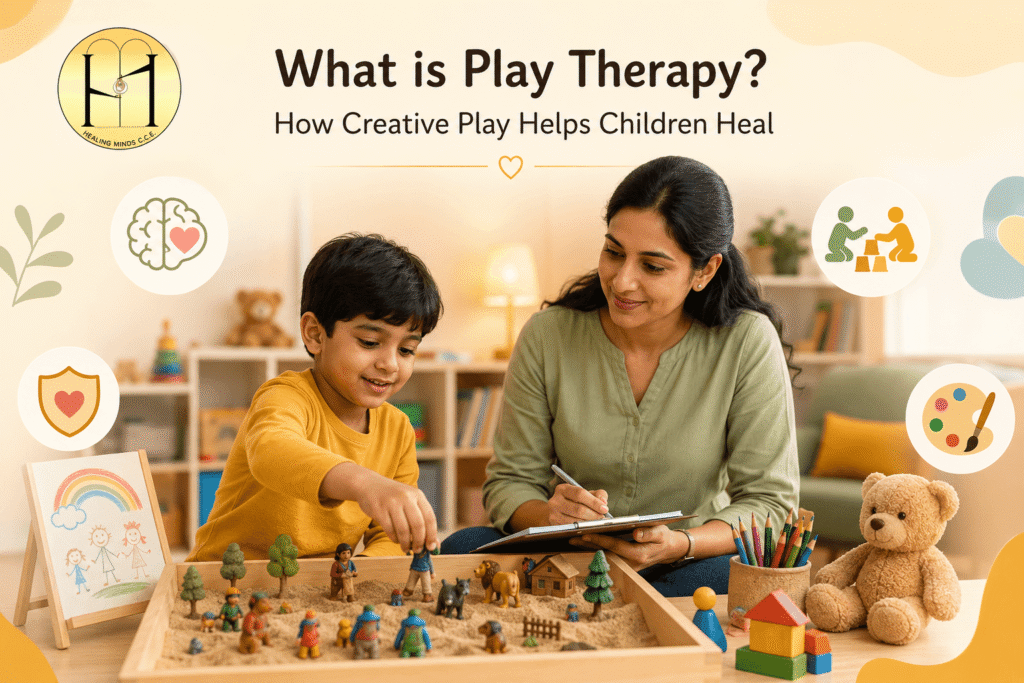
It is also useful to ask about the methods used. For example, CBT helps children notice links between thoughts, feelings, and actions. Play therapy and art-based activities may help younger children express themselves. These approaches should be explained clearly. No counsellor should promise instant results or offer a diagnosis without a proper assessment.
Privacy and Confidentiality: What Should Parents Expect?
Privacy means that personal details shared during counselling are handled with care. Confidentiality means the counsellor does not casually share those details with others. However, parents and guardians usually need some information about a child’s sessions. The exact arrangement can vary by age, maturity, consent, and the centre’s policy.
Before the first appointment, ask what will remain private and what will be shared with you. For example, the counsellor may provide broad updates such as “we worked on managing worry” rather than repeating every sentence your child said. This approach can protect trust while keeping caregivers involved.
Ask About the Limits of Privacy
Privacy is not always absolute. A counsellor may need to act if they believe a child faces a serious risk of harm, abuse, or neglect. They may also need to share information when required by law or professional safety rules. Ask the counsellor to explain these limits in language your child can understand.
You can ask questions such as:
- Who can access my child’s session records?
- How do you store paper and digital information?
- Will school staff, relatives, or another professional receive updates?
- How will you tell us if a safety concern arises?
- Can my child speak with you alone for part of the session?
These questions are not signs of mistrust. They help your family begin counselling with shared expectations.
Consent, Assent, and Your Child’s Comfort
Consent means a parent or authorised guardian agrees to counselling. For children, the counsellor should also seek assent. Assent means the child understands the basic purpose of the sessions and agrees to take part as far as they are able. The process should match the child’s age and understanding.
Ask how the counsellor will explain sessions to your child. A younger child may hear, “This is a place where we can talk, play, and practise ways to feel better.” An older child may want more detail about privacy, goals, and how much choice they have. Your child should be able to ask questions and share concerns.
What If Your Child Does Not Want to Attend?
A child may refuse counselling because they feel worried, ashamed, or unsure. Avoid presenting therapy as a punishment for poor marks or difficult behaviour. Instead, explain that the sessions are meant to support them. You can ask the counsellor how they build trust during the first meeting.
Children should not be forced to disclose personal details immediately. A skilled professional may begin with simple conversation, a game, drawing, or another age-appropriate activity. If your child continues to feel unsafe or uncomfortable, discuss this with the counsellor. You may need a different approach or a second opinion.
Family Involvement Without Taking Over the Session
Parents play an important role in a child’s support. Your observations can help the counsellor understand changes at home, school, or in friendships. You may be asked about routines, family stress, health history, learning needs, and previous support. Share information honestly, while remembering that your child also needs a voice.
Family involvement can take different forms. A parent may join the first meeting, attend regular caregiver check-ins, or practise new communication skills at home. In some cases, family sessions may help. In others, the child may need private time with the counsellor. Ask how often caregivers receive updates and what kind of progress information they can expect.
Practical Ways to Support Sessions at Home
Follow the agreed plan without turning home into another counselling room. You might create a calm bedtime routine, use a feelings chart, or make time for short conversations. Praise effort rather than demanding quick change. If your child shares something difficult, listen first. You can say, “Thank you for telling me,” before offering advice.
Parents may also benefit from their own support. Stress in the home can affect everyone. For practical ideas, read these mental health tips for adults in Kolkata. Supporting yourself does not take attention away from your child. It can help you respond with greater patience.
Local Questions to Ask When Comparing counselling for kids near me
Location matters when a child attends regular sessions. A centre near home, school, or a metro route may make appointments easier to maintain. Families in South Kolkata may compare options in Baishnabghata, Naktala, Ramgarh, Garia, and areas near Geetanjali Metro. Ask whether the service offers offline sessions, online sessions, or both.
Healing Minds CCE provides a confidential counselling space in South Kolkata, with support for children, teenagers, adults, and families. When considering counselling for kids near me, you can ask about the child’s needs, the planned approach, and the expected role of caregivers before booking.
A Simple Comparison Checklist
- Does the centre work with children of your child’s age?
- Can the professional explain privacy and safety limits clearly?
- How are consent and the child’s agreement handled?
- Will caregivers receive suitable progress updates?
- Are play therapy, art activities, CBT, or other methods available when appropriate?
- What happens if the counsellor feels another service is needed?
- Are fees, session length, cancellation rules, and online options clear?
- Is the room welcoming, private, and suitable for children?
Also ask what to do during an urgent safety concern. Counselling is not a replacement for emergency help. If a child faces immediate danger, contact local emergency services or reach a suitable crisis support service. The World Health Organization’s mental health resources offer reliable general information for families.
How to Prepare Your Child for the First Appointment
Tell your child where they are going and who they will meet. Keep the explanation simple and honest. You can say that the counsellor helps children talk about feelings, solve problems, and learn helpful skills. Avoid promising that everything will stay secret. Instead, explain that the counsellor will protect privacy but will involve trusted adults if safety requires it.
Bring any information that may help, such as school feedback, previous assessment reports, or a short list of changes you have noticed. Do not coach your child to give a particular answer. Let them speak in their own way. After the session, ask how it felt rather than demanding a full account of what was discussed.
Signs of a Helpful First Experience
Your child does not need to feel cheerful after one session. They may feel shy or tired. However, the counsellor should treat them with respect and explain activities in a suitable way. You should also receive clear information about next steps, privacy, fees, and communication.
Trust can take time. If your child feels heard and you understand the plan, that is a useful beginning. If something feels unclear, ask for an explanation. You are allowed to compare services and choose a professional who fits your family.
Book Your Session
If you are exploring counselling for kids near me in South Kolkata, speak with a qualified team about your concerns and your child’s comfort. Healing Minds CCE offers compassionate offline and online support near Geetanjali Metro, Naktala, Ramgarh, Garia, and nearby Kolkata areas. Contact Healing Minds CCE to book your child’s counselling session and ask about privacy, consent, family involvement, and the best next step.
Reviewed by the clinical team at Healing Minds CCE, a counselling and education centre providing child-focused mental health support in Kolkata. This article offers general information and does not replace a personal assessment or professional advice.