Searching for therapy for OCD Kolkata can feel difficult, especially when unwanted thoughts or repeated actions affect your day. You may worry that others will judge you. You may also wonder whether your concerns are serious enough for counselling. This guide offers clear, non-diagnostic information about obsessive thoughts, repeated behaviours, assessment, and support options in Kolkata, West Bengal.
What OCD-related concerns can look like
OCD stands for obsessive-compulsive disorder. It is a mental health condition involving unwanted, repeated thoughts or images and urges to perform certain actions. However, having one repeated worry or habit does not mean you have OCD. Stress can also make people check, clean, seek reassurance, or repeat tasks more often.
OCD-related concerns may take different forms. Someone may fear contamination and wash their hands many times. Another person may repeatedly check a lock, appliance, message, or work task. Some people experience upsetting thoughts that do not match their values. These thoughts can feel frightening, but having a thought does not mean you want it or will act on it.
When daily life starts to narrow
A key concern is the effect on your life. Repeated checking may make you late for work or college. Cleaning rituals may take hours. Reassurance seeking may strain family relationships. You may avoid places, people, or tasks because they trigger fear. These patterns can also lead to shame, tiredness, low confidence, or trouble sleeping.
You do not need to wait until the problem feels extreme. A psychologist can listen to your experience without assuming a diagnosis. You can share only what feels safe at first. A first conversation is often a chance to understand your concerns and discuss possible next steps.
How therapy for OCD Kolkata may begin
When you explore therapy for OCD Kolkata, the first session may focus on your current difficulties. A psychologist may ask when the thoughts or behaviours began. They may ask how often they occur and how much time they take. You may also discuss sleep, stress, family support, work, study, and earlier attempts to cope.
This conversation is not a test that you must pass. It helps the psychologist understand your situation. You may be asked about thoughts, feelings, urges, actions, and avoidance. You can also ask questions about privacy, session length, fees, online appointments, and the counselling approach.
Assessment is more than a checklist
A psychologist may use a structured interview or a standard questionnaire when suitable. These tools can help track patterns and changes over time. They do not replace professional judgement or a full conversation. They also cannot confirm a condition from one answer alone.
At Healing Minds CCE, assessment and counselling can be planned around your needs. The centre offers offline and online support in South Kolkata, including areas near Baishnabghata, Naktala, Ramgarh, Garia, and Geetanjali Metro. You can learn more about understanding anxiety and local support in South Kolkata if worry is also part of your experience.
Which counselling approaches may help?
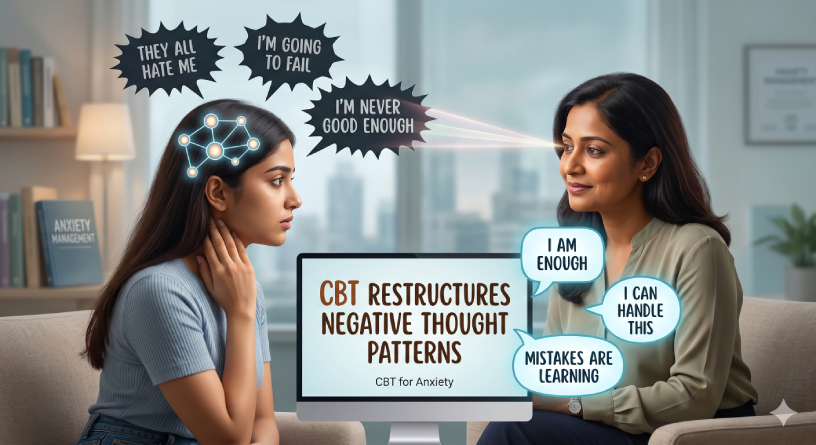
Many psychologists use cognitive behavioural therapy, or CBT, for OCD-related concerns. CBT helps you notice links between thoughts, feelings, actions, and avoidance. It does not involve arguing with every thought. Instead, therapy can help you respond to uncertainty in a steadier and more useful way.
A therapist may discuss exposure and response prevention, often called ERP, when it is appropriate and when the psychologist has suitable training. In simple terms, ERP may involve facing a manageable trigger while reducing the usual repeated response. This work should be planned carefully. It should move at a safe pace and never be forced.
What practical support can include
- Learning how to notice intrusive thoughts without treating them as facts.
- Understanding reassurance seeking, checking, cleaning, or avoidance patterns.
- Creating small, agreed steps for responding differently.
- Practising skills between sessions without demanding perfection.
- Reviewing progress and adjusting the plan when stress changes.
Therapy may also address shame, family tension, sleep problems, or related anxiety. A psychologist may teach grounding, breathing, or stress-management skills. These tools can support treatment, but they are not a substitute for tailored care. You can also read this practical guide for families supporting someone who is panicking if a loved one needs help during intense distress.
Choosing therapy for OCD Kolkata with care
Finding the right professional matters. Look for a psychologist who explains the approach clearly and respects your pace. Ask whether they have experience with obsessive thoughts, compulsive behaviours, CBT, or ERP. You can ask how they handle privacy and what happens if your needs change.
If you are choosing a professional in Kolkata, check their qualifications and professional standing. The Rehabilitation Council of India provides information about recognised rehabilitation professionals and registration matters. A registration check is one useful step, but a good fit also includes trust, communication, and comfort.
Online and offline sessions
Offline counselling may suit you if you prefer a quiet room and face-to-face contact. Online sessions may help if travel, work, health, or privacy at home makes visits difficult. Both options require a private space and a reliable connection. Discuss the format with the psychologist before booking.
Healing Minds CCE provides confidential counselling support through offline and online sessions. Its team uses evidence-informed methods and works in a safe, compassionate setting. You can ask about the process before deciding whether to continue. You are allowed to take time before making a choice.
When a psychiatrist referral may be appropriate
A psychologist may suggest meeting a psychiatrist when symptoms are severe, long-lasting, or difficult to manage with counselling alone. A psychiatrist is a medical doctor who can review mental and physical health factors. They can also discuss whether medication may be appropriate. A referral is not a failure and does not mean that your concerns are being dismissed.
Referral may also help when sleep, eating, work, study, or relationships are greatly affected. It can be useful when there are other mental health concerns, physical health questions, or a need for a broader medical review. The psychologist and psychiatrist may work together, with your consent, to support a coordinated plan.
Seek urgent help when safety is at risk
Contact local emergency services or go to the nearest emergency department if you may harm yourself or someone else, cannot stay safe, or feel unable to manage a serious crisis. You can also ask a trusted person to stay with you while you seek urgent help. For general mental health information, the World Health Organization’s mental health resources offer a reliable starting point.
If there is no immediate danger, you can arrange a routine consultation. Bring a short note about your main concerns, common triggers, repeated actions, and how these affect your life. You do not need to describe everything perfectly. Honest, simple details can help the professional understand what support may fit.
What to expect from your first few sessions
Early sessions often focus on building trust and creating a shared plan. You may learn how to observe patterns without judging yourself. The psychologist may suggest tracking situations, urges, actions, and time spent. This record is not meant to increase worry. It can show what happens before and after a repeated behaviour.
Progress is rarely perfectly straight. You may have easier days and harder days. A helpful therapy plan allows room for setbacks, exams, family stress, travel, and work pressure. Your psychologist can review the pace and make changes when needed. You should feel able to ask for explanations throughout the process.
Most importantly, you are more than your thoughts or rituals. Support can help you regain time, confidence, and choice. Seeking therapy for OCD Kolkata is one possible step toward understanding what is happening and finding practical support.
Book Your Session
If unwanted thoughts, repeated actions, or fear are affecting your daily life, consider speaking with a qualified psychologist. Healing Minds CCE offers confidential offline and online counselling in South Kolkata, including areas near Geetanjali Metro, Naktala, Ramgarh, and Garia. Book your session with Healing Minds CCE to discuss your concerns and available support options.
Reviewed by the clinical team at Healing Minds CCE. This article is for education only and does not provide a diagnosis or replace professional care.