Learning to cope with stress and anxiety in Kolkata can feel difficult when your day includes crowded roads, long commutes, work pressure, family duties, and little quiet time. You may feel tense before the day begins. You may also find it hard to switch off at night. Small, steady changes can help you feel more grounded and in control.
This guide offers practical ideas for everyday life in Kolkata, West Bengal. It does not replace professional care. Instead, it can help you notice your needs, build useful habits, and decide when counselling may be worth considering.
Why City Life Can Increase Stress and Anxiety
Kolkata has many joys, but city life can also place constant demands on your attention. You may travel from Garia or Ramgarh to work, manage traffic near busy crossings, or wait through a delayed bus or Metro connection. Noise, heat, crowds, and uncertainty can leave your body feeling alert for long periods.
Work and family expectations can add another layer. You may answer messages during meals, care for children or older relatives, and worry about deadlines after returning home. These pressures do not mean that you are weak. They show that your mind and body may need rest, support, and clearer limits.
Notice Your Personal Stress Signals
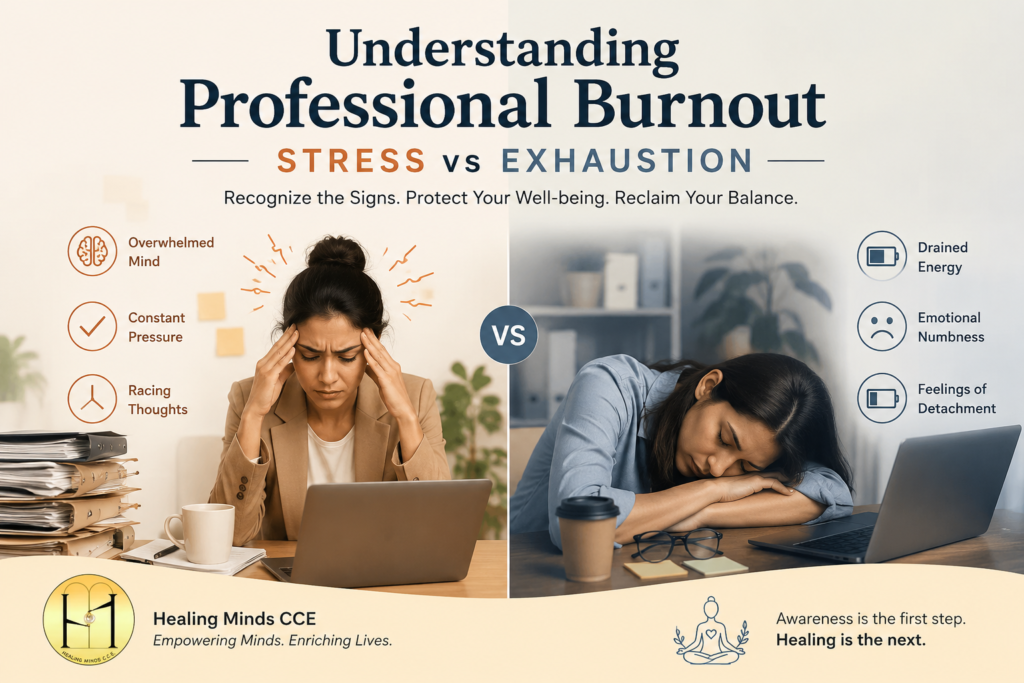
Stress can show up in different ways. You might clench your jaw, rush your speech, lose patience, or struggle to focus. You may also sleep poorly, avoid calls, or keep thinking about the same problem. Notice these signs without blaming yourself. Awareness is the first step toward a helpful response.
How to Cope with Stress and Anxiety During Kolkata Commutes
Commuting often creates a sense of lost time. Instead of trying to be productive every minute, use part of the journey for recovery. Take slower breaths while waiting, relax your shoulders, and look at five things around you. This simple grounding exercise brings your attention back to the present moment.
Prepare for common travel problems when you can. Carry water, keep a small snack, and charge your phone before leaving. If possible, leave ten minutes earlier on demanding days. Choose calming audio instead of stressful news. You can also send a short message to someone at home so you do not carry worry throughout the journey.
A Simple Commute Reset
- Before leaving, name your main task for the next few hours.
- During the journey, take five slow breaths without forcing them.
- When you reach work, pause for one minute before opening messages.
- After returning home, wash your face or change clothes to mark the end of work.
These steps will not remove traffic or delays. They can reduce the extra tension that builds around them. If crowds feel especially difficult, choose a quieter route or travel time when practical. Treat this as planning for your wellbeing, not as an inconvenience.
How to Cope with Stress and Anxiety at Work
Work stress often grows when every task feels urgent. Start by sorting tasks into three groups: must do today, should do soon, and can wait. Share realistic timelines with your manager or team. A clear sentence such as, “I can finish this by Thursday, but not by Tuesday,” can prevent silent pressure.
Take short breaks before you feel completely exhausted. Stand up, stretch your hands, or step outside for fresh air. Try to eat away from your screen when possible. During difficult conversations, listen first and reply after a brief pause. A calm response can protect both your work and your relationships.
Set Healthier Digital Boundaries
Many people in Kolkata continue work through WhatsApp and late-night email. Decide when you will stop checking work messages. If your role requires availability, agree on clear emergency rules. Turn off non-essential alerts during rest time. Your brain needs periods without new demands.
You can also make your workspace easier to manage. Keep only the current task open. Write down worries instead of holding them in your head. If your workload remains impossible for several weeks, speak with a trusted supervisor. Workplace support may be more useful when you explain the impact clearly and suggest a practical change.
Managing Family Duties and Everyday Pressure
Family life can bring love, meaning, and stress at the same time. You may care for a child, support a parent, manage a household, or handle financial concerns. Try not to treat every need as your personal responsibility. Ask family members to share specific tasks, such as shopping, school pickup, or bill payments.
Use simple communication. Tell others what you need and when you can help. “I can speak for fifteen minutes after dinner” is clearer than saying, “I am busy.” Small boundaries can prevent resentment. They also teach children and other family members that care includes looking after your own energy.
Make Space for Small Rest
Rest does not need to mean a long holiday. It may be ten quiet minutes on a balcony, a short walk near your home, or tea without your phone. Choose activities that truly refresh you. Scrolling through upsetting news may not count as rest, even if it feels easy.
If grief or family change is adding to your pressure, gentle support can help. You may find our guide on coping with the death of a loved one in Kolkata useful. Be patient with yourself during demanding seasons. Your capacity may change from day to day.
Daily Habits That Support Emotional Balance
Healthy routines can make it easier to cope with stress and anxiety over time. Keep your sleep and wake times as regular as your schedule allows. Eat at steady times and drink enough water. Gentle movement, such as walking or stretching, can help release some physical tension.
Do not aim for a perfect routine. Choose one habit that feels realistic. You might walk for ten minutes after work or place your phone away from the bed. Small actions become more useful when you repeat them. If you miss a day, restart without criticism.
Try a Five-Minute Calming Practice
- Sit with both feet supported.
- Breathe in gently and breathe out a little more slowly.
- Relax your forehead, jaw, shoulders, and hands.
- Name what you can see, hear, and feel.
- Choose one manageable next step.
This practice is not a test. Stop if it makes you feel more uncomfortable and try another activity, such as walking or speaking with someone you trust. For ideas you can prepare at home, read our guide on creating an anxiety help box in Kolkata.
When Counselling May Be Worth Considering
Self-care can help, but it may not be enough for everyone. Consider speaking with a trained counsellor if worry or low mood continues for weeks, affects sleep, or makes work and relationships harder. Support may also be useful if you avoid normal activities, feel constantly on edge, or cannot manage daily tasks as before.
Counselling gives you a confidential place to understand patterns and practise new ways to respond. A psychologist may use approaches such as cognitive behavioural therapy, often called CBT. CBT helps you notice links between thoughts, feelings, and actions. The right approach depends on your needs and goals.
Choosing Support in Kolkata
Ask about the counsellor’s training, privacy practices, session format, and fees. You can choose online or offline sessions based on your comfort. The Rehabilitation Council of India provides information about professional registration and rehabilitation-related standards. You can also learn more about mental wellbeing from the World Health Organization’s mental health resources.
Healing Minds CCE offers confidential offline and online counselling in South Kolkata, including areas near Baishnabghata, Geetanjali Metro, Naktala, Ramgarh, and Garia. The team supports concerns such as anxiety, stress, relationship difficulties, and child and adolescent needs. You do not have to wait until everything feels overwhelming before asking for help.
Book Your Session
If you want personal support to cope with stress and anxiety, speak with the team at Healing Minds CCE. You can discuss your concerns, ask questions about counselling, and choose a suitable format. Book your counselling session or contact Healing Minds CCE today.
You may also explore our related guides on anxiety at night in Kolkata and finding verified anxiety support in India.
Reviewed by the clinical team at Healing Minds CCE, a counselling and education centre serving Kolkata and nearby areas. This article is for general information and does not provide a diagnosis or replace professional care.